
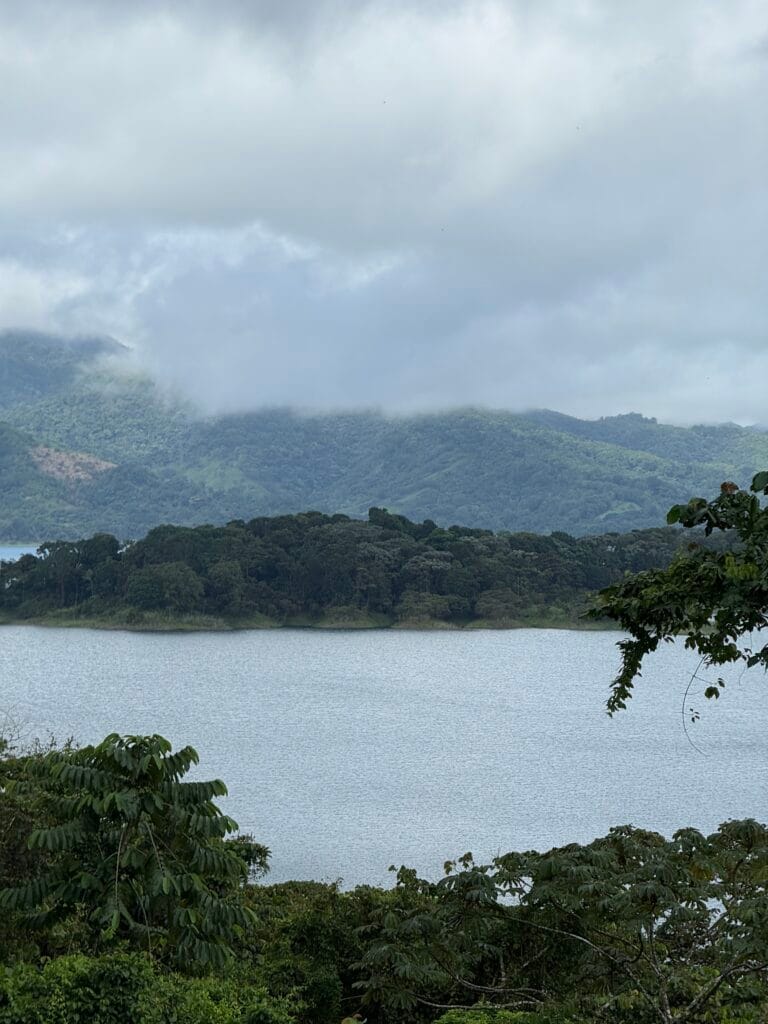
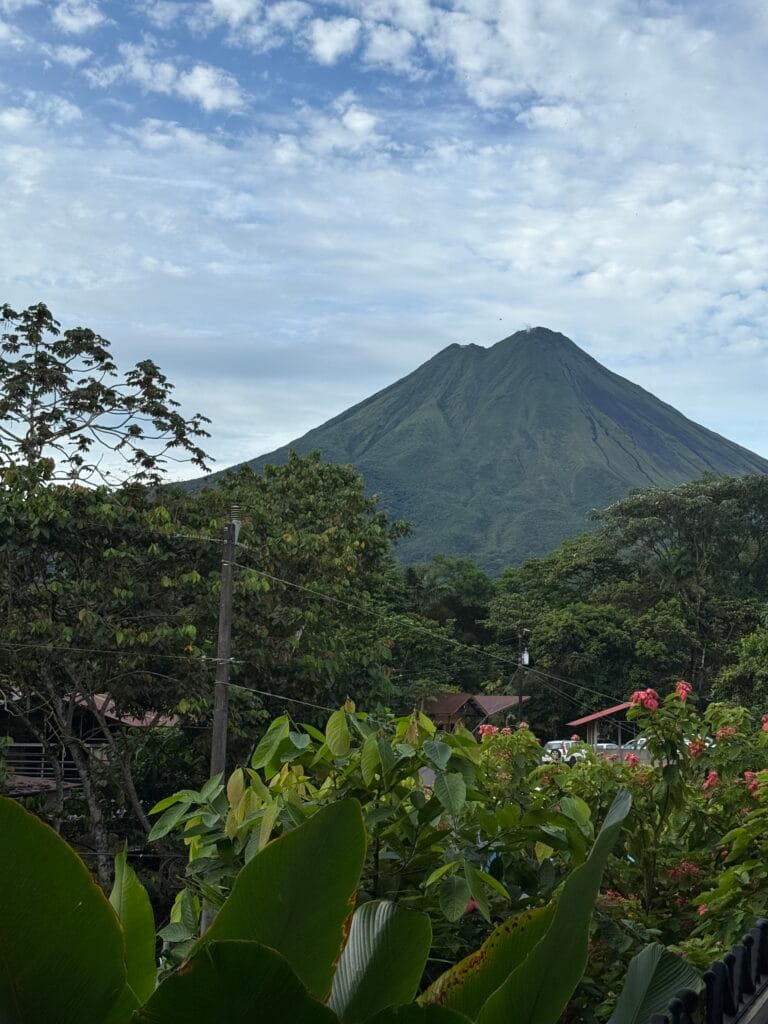
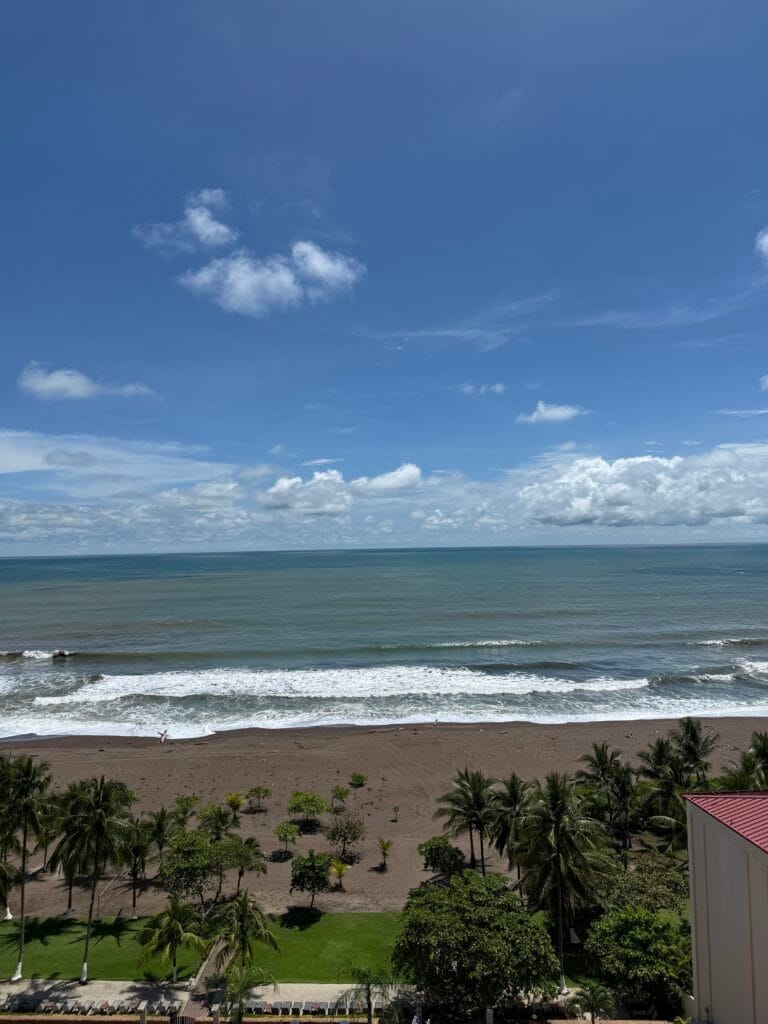
Costa Rica is an internationally recognized destination for its biodiversity, political stability, hospitality, and strong commitment to sustainability. Located in Central America, between Nicaragua to the north and Panama to the south, the country offers a unique combination of nature, culture, and authentic experiences within a compact and easy-to-travel territory.
Thanks to its privileged location between the Pacific Ocean and the Caribbean Sea, Costa Rica allows travelers to enjoy beaches, volcanoes, tropical rainforests, rivers, mountains, and protected natural areas within short distances, making it an ideal destination for tailor-made trips and well-balanced travel programs.
📍 GENERAL FACTS
- Capital: San José
- Currency: Costa Rican Colón
- Area: 51,100 km²
- Population: Approximately 4 million inhabitants
- Language: Spanish (English widely spoken in tourist areas)
Geographical boundaries:
- North: Nicaragua
- Southeast: Panama
- West: Pacific Ocean
- East: Caribbean Sea
🌿 NATURE AND GEOGRAPHY
Costa Rica is considered one of the most biodiverse countries in the world, with approximately 23% of its national territory protected through conservation and national park systems.
- Highest mountain: Cerro Chirripó (3,820 meters above sea level)
- Most iconic volcano: Poás Volcano
- Largest lake: Lake Arenal
- National flower: Guaria Morada
- National tree: Guanacaste
- National bird: Yigüirro
The Central Valley forms the heart of the country and concentrates around 60% of the population, including the capital city of San José and major cities such as Alajuela, Heredia, and Cartago. Other key regions include Guanacaste, Puntarenas, and Limón.
☀️ CLIMATE
Costa Rica has a tropical climate with two clearly defined seasons:
- Dry season: December to April
- Green (rainy) season: May to November
Climate conditions vary by region and altitude, allowing travel programs to be designed according to different interests and times of the year.
🎉 FESTIVITIES AND IMPORTANT DATES
Costa Rica celebrates several cultural and national holidays that may enhance the travel experience:
- January 1: New Year’s Day
- March / April: Holy Week (Semana Santa)
- April 11: National Hero Juan Santamaría Day
- May 1: Labor Day
- July 25: Annexation of Guanacaste
- August 2: Virgin of Los Ángeles (National Patron Saint)
- August 15: Mother’s Day
- September 15: Independence Day
- Second Saturday of December: Festival of Lights (San José)
🧭 BRIEF HISTORICAL OVERVIEW
Costa Rica was explored by Christopher Columbus in 1502 and gained independence from Spain in 1821. Since then, the country has been characterized by its democratic stability, the abolition of the army in 1948, and a strong commitment to education, peace, and sustainable development.
Today, tourism is one of the country’s main economic drivers, standing out for its focus on conservation, authentic experiences, and genuine local hospitality.
